
Fifteen years ago, while building out a Customer Success function, a distinct pattern emerged among certain high-value customers. These were accounts that recognised the product's value immediately, remained loyal long-term, and became enthusiastic advocates. This observation forms the foundation for developing an Ideal Customer Profile.
Distinguishing ICP from TAM
A common mistake is conflating an Ideal Customer Profile with Total Addressable Market. TAM represents a broad market opportunity, while an ICP is a narrowly focused target within that market — a "bullseye" representing the customers you most want to acquire.
Building Your ICP
The most effective approach involves analysing your best-performing customers and extracting patterns. Begin by collecting account-level CRM data including industry, geography, and company size. Next, gather contact-level data such as department, titles, and buyer roles.
Using this foundational data, you can generate prospect lists through third-party data providers. Validate your findings by consulting customer-facing teams like Customer Success Managers, Sales representatives, or founders who interact regularly with your customers. They'll provide rapid feedback and help identify disqualification criteria.
Customer Insights Research
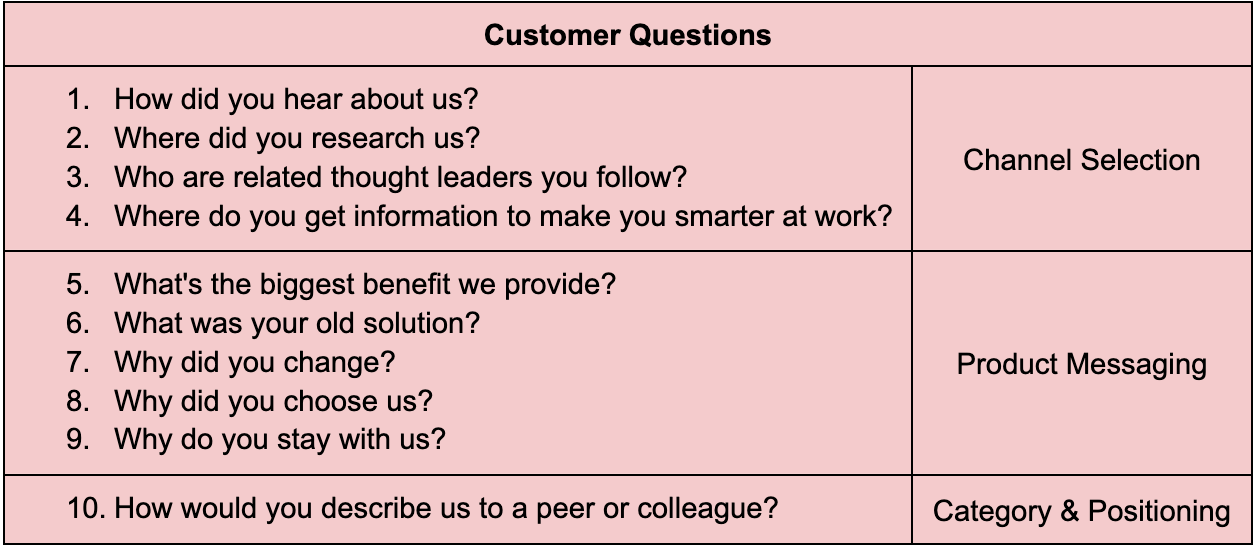
Conducting interviews with customers and prospects matching your ICP profile yields valuable insights. Employing frameworks like Malcolm Lewis's 7-Magic Questions helps uncover motivations and decision-making factors.
Go-to-Market Strategy
With ICP research completed, you can develop informed go-to-market strategies that align with buyer behaviour and organisational resources. This analysis enables several tactical applications:
- Crafting targeted messaging
- Building lookalike audiences for email and paid advertising
- Implementing account-based strategies
The ultimate value of ICP work lies in channelling focus and effort toward the right customers, increasing the likelihood of long-term success and customer satisfaction.